Geely V7E Electric Cargo Van Exported to Burundi — 51.39 kWh Battery Project

This verified Burundi export project records one Geely V7E electric cargo van with a closed-panel cargo area. The project PI and carrier bill of lading establish that one van truck was shipped on board through Dar es Salaam in November 2025 for onward movement to Burundi. The PI records a Zhixin 51. 39 kWh battery, 3,200 mm wheelbase, 3,250 kg gross mass, 5,000 × 1,820 × 1,985 mm overall dimensions, and the running-gear and driver-assistance equipment listed below.

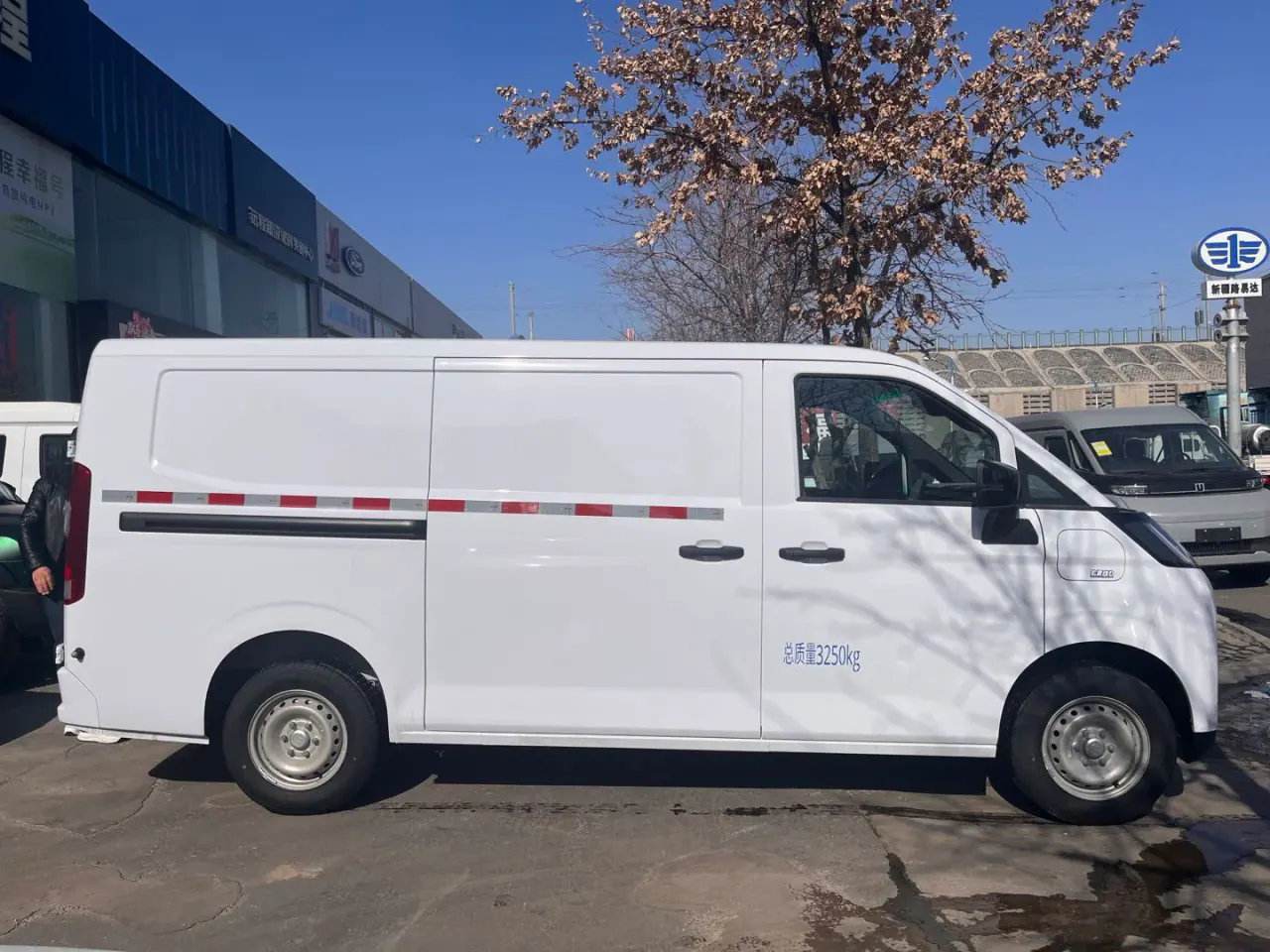
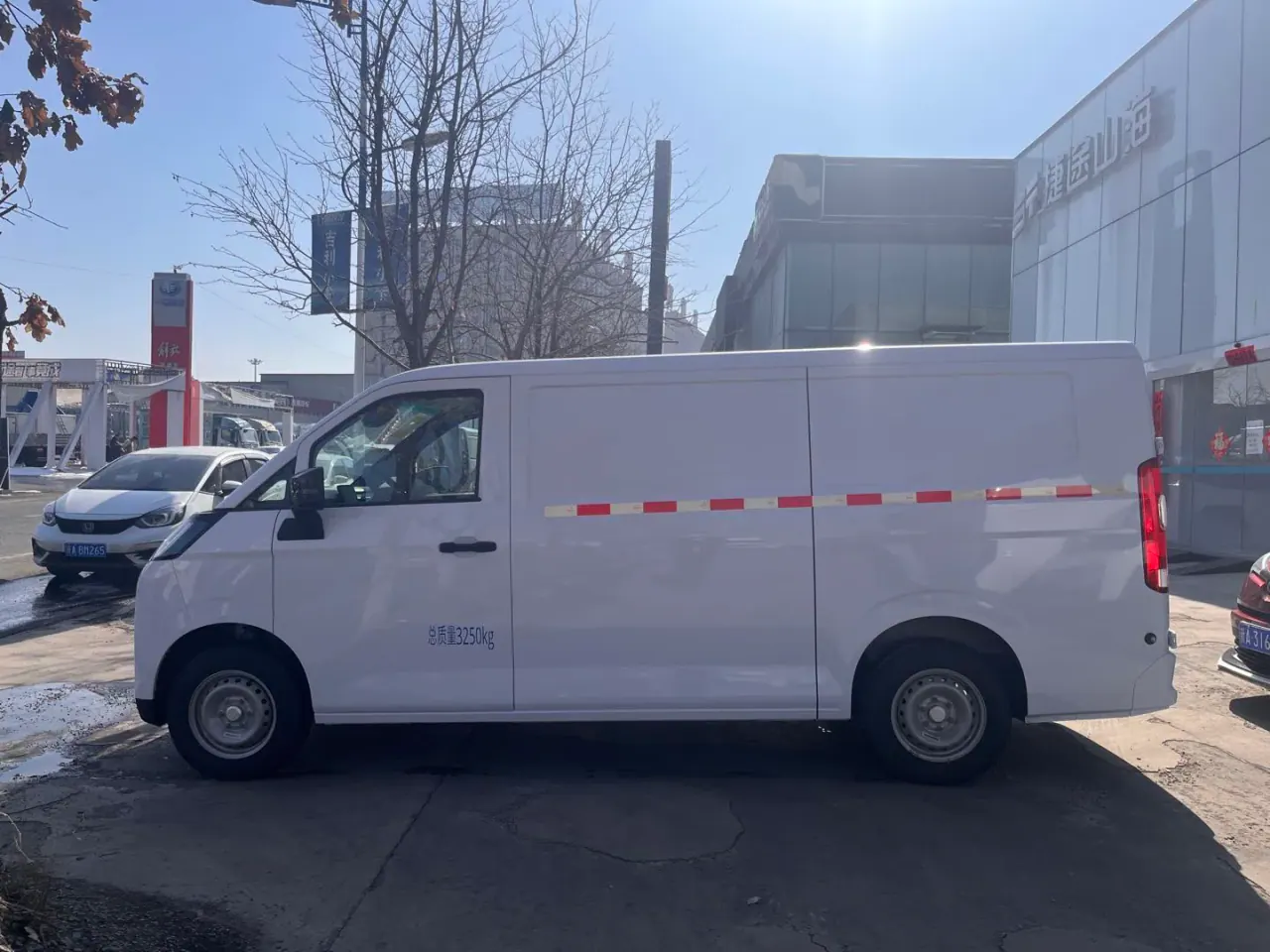
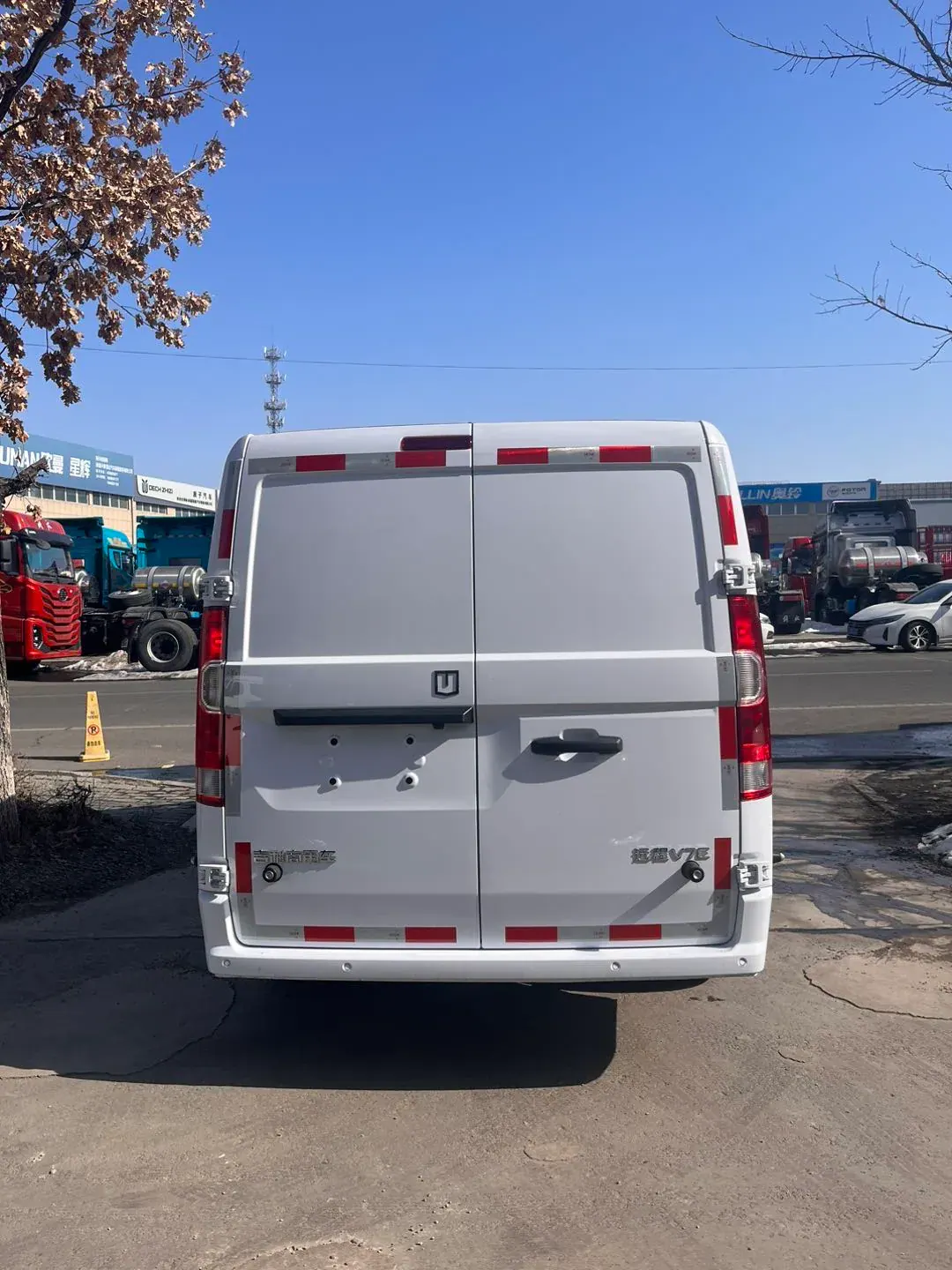
Geely V7E electric cargo van configuration presented against a plain background
Destination
Burundi
Vehicle
Geely V7E
Quantity
One electric cargo van
Configuration
51.39 kWh battery configuration
Shipment
November 2025
Evidence
Project documents + shipment record

Project at a glance

The project record connects the destination, vehicle and configuration to the documented shipment stage.

FieldRecorded Project Information
DestinationBurundi
Project statusExported; sea shipment verified from project PI and carrier bill of lading
QuantityOne electric cargo van
Destination portPort of Dar es Salaam, Tanzania; onward destination Burundi
Shipment monthNovember 2025
Chassis brandGeely
Chassis modelV7E
Vehicle typeElectric cargo van
Primary recorded specificationZhixin 51.39 kWh battery entry
Recorded gross mass3250 kg
Recorded overall dimensions5000 × 1820 × 1985 mm
Recorded wheelbase3200 mm
Recorded exterior colourMoon Shadow White
Recorded cargo-body formatClosed-panel cargo area
Evidence reviewedProject PI, carrier bill of lading, media manifest, and six configuration images

Order and shipment record

The matched record reaches the shipped-on-board stage.

StageVerified Record
Order confirmedProject PI records the Burundi destination and Geely V7E configuration.
Vehicle configuration recordedThe PI records the model, battery, dimensions, gross mass, wheelbase, and listed equipment.
Sea shipment recordedA carrier bill of lading records one van truck shipped on board.
Destination portPort of Dar es Salaam, Tanzania, with onward responsibility to Burundi.
Shipment monthNovember 2025.

Geely V7E recorded technical configuration

These values come from the reviewed project PI.

SpecificationRecorded Value
Destination countryBurundi
BrandGeely
ModelV7E
Standard vehicle typeElectric cargo van
BatteryZhixin, 51.39 kWh
Gross mass3250 kg
Overall dimensions5000 × 1820 × 1985 mm
Wheelbase3200 mm
Maximum speed100 km/h
Exterior colourMoon Shadow White
Cargo-area formatClosed-panel configuration
SuspensionFront McPherson; rear leaf spring
BrakesFront and rear disc; EHB electronic hydraulic braking; EPB electronic parking brake with Auto Hold
Wheels and tyresWheel caps; 195/70R15LT
Doors and windowsCentral locking, front power windows, and dual sliding doors
Cabin equipment7-inch LCD instrument panel, 12 V power outlet rated at 120 W, and electronic hand-shift
Climate controlElectric heating and cooling
Reversing assistanceRear parking sensors and standard-definition reversing camera
LightingLED headlights, daytime running lights, and automatic headlights
Smart-electronics entryKeyless entry and start, remote OTA/locking/air-conditioning functions, smart battery charging, and tyre-pressure monitoring
EntertainmentBluetooth phone and music functions, one Type-C port, and two speakers

These are the recorded case values, not manufacturing, test, inspection, shipment, or delivery results.

What These Specifications Mean for Buyers

Recorded SpecificationPractical InterpretationWhat to Confirm for a Similar Order
Zhixin 51.39 kWh batteryRecords nominal battery energy for this project configuration; it does not state usable energy or operating rangeFull battery code, chemistry, usable energy, thermal controls, warranty, transport documents, and route-based range
3250 kg gross massRecords a gross-mass figure, not payload; cargo allowance also depends on certified tare and axle limitsCertified gross mass, completed tare, front and rear axle limits, tyre ratings, and payload calculation
5000 × 1820 × 1985 mm overall dimensions and 3200 mm wheelbaseDefines the recorded external envelope and axle spacing, but not internal cargo space or turning performanceCertified dimensions, turning circle, ground clearance, door openings, and cargo-compartment drawing
Disc brakes, EHB, EPB with Auto Hold, and McPherson/leaf-spring suspensionRecords the running-gear arrangement without proving destination approval or loaded performanceExact component specification, axle ratings, brake documentation, inspection method, and service parts
Moon Shadow White closed-panel layout with dual sliding doorsSupports protected cargo access, but does not define usable volume, restraint points, or included fit-outPaint code, clear door openings, internal dimensions, lining, partition, floor rating, and tie-down points
2C Liquid Cooling recorded wordingThe source records this phrase but does not define a connector, charging power, current, voltage, or charging timeWritten definition, AC/DC modes, connector standard, charging curve, grid requirements, and commissioning scope

Configuration Suitability and Limitations

This Configuration May Be Suitable For

This closed-panel electric cargo van may suit parcel distribution, retail replenishment, service tools, spare-parts movement, and other protected cargo when the 3250 kg gross-mass limit, actual payload, door openings, and route energy requirement are compatible. The recorded 51. 39 kWh battery is a starting input for route modelling, not a guaranteed range. Suitability still depends on certified tare and axle loads, cargo dimensions, charging access, road conditions, and local high-voltage service capability.

A Different Configuration May Be Needed When

A longer body, higher roof, different gross-mass class, refrigerated body, different door layout, or another vehicle may be needed for bulky, dense, temperature-controlled, or specialised goods. A different battery or charging arrangement may be required for long routes, steep terrain, heavy auxiliary use, short charging windows, or limited site electrical capacity. Steering side, ground clearance, axle loads, charging connector, and safety equipment remain confirmation items because the recorded case configuration does not settle them all.

What Is an Electric Cargo Van?

An electric cargo van combines an integrated cab and enclosed load compartment with a traction battery and electric drive system. It is commonly called an electric panel van or electric delivery van. Goods enter through rear or side doors and remain inside the body shell, unlike a box truck with a separately mounted cargo body. The battery's nominal energy does not by itself determine operating range: payload, stops, gradients, speed, climate, auxiliary loads, battery reserve, and charging access all affect daily use. Buyers should compare certified payload, cargo openings, usable battery energy, connector compatibility, route performance, and local service support.

Recorded Intended Use and Typical Applications

Intended Use Recorded for This Project

Typical Applications of This Vehicle Type

Cargo vans are commonly evaluated for parcels, retail goods, tools, parts, mobile service equipment, and light commercial deliveries. These are general applications, not claims about this Burundi order. Shelving, partitions, refrigeration, lining, or other fit-out must be specified separately and included in mass, space, electrical, and restraint calculations.

Key Specifications Buyers Should Compare

Decision FactorWhy It MattersQuestions to Ask the Supplier
Exact model and battery variantThe project configuration records Zhixin and 51.39 kWh, but full identity, usable energy, warranty, and parts support still depend on the exact variantWhat full model and battery codes, chemistry, usable energy, thermal controls, and destination warranty apply?
Route energy budgetThe project record does not state range, and distance alone does not capture payload, stops, gradients, climate, speed, auxiliaries, or reserveWhat energy use and remaining reserve are expected on normal, demanding, and disrupted route cases?
Charging interface and site supply2C Liquid Cooling does not identify the connector, electrical input, charging curve, or site installationWhich AC/DC modes, connector, maximum inputs, charging curve, earthing, protection, and site capacity are required?
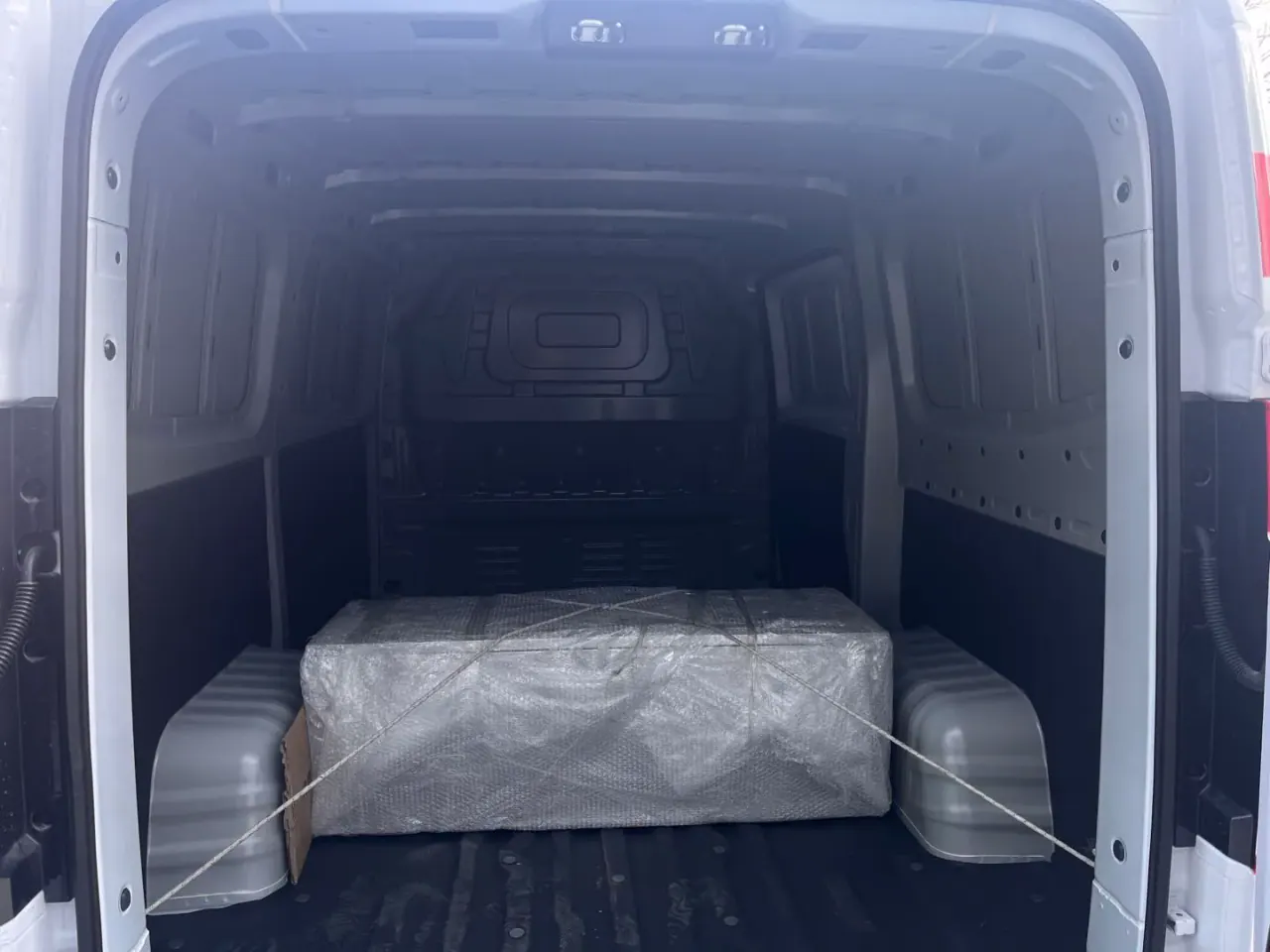
Usable cargo spaceNominal volume does not show whether a particular item fits through the doors or between wheel arches.What are the internal dimensions, wheel-arch clearance, sill height, and clear door openings?
Gross mass, payload, and axle loadsThe recorded 3250 kg gross mass is not payload; accessories and fit-out reduce the mass available for cargoWhat are the certified completed tare, payload, axle loads, tyre limits, and loading assumptions?
Ground clearance and tyresRoad surfaces and tyre availability affect uptime and damage risk.Which tyre specification, spare arrangement, ground clearance, and recovery guidance apply?
Diagnostics and high-voltage serviceElectric-vehicle downtime increases when trained technicians, tools, or parts are unavailable.Which diagnostic tools, isolation procedures, technician training, and critical spares are provided?

What the Burundi importer should confirm before ordering

Confirmation ItemWhy It MattersWho Should Confirm It
Customs and registration documentsOBR's public guide describes a general customs-clearance and registration document flow, not approval of this model.Importer, customs broker, OBR, and the competent registration authority
Vehicle category and model acceptanceThe exact variant and completed configuration may determine the applicable process.Importer, transport authority, and qualified local adviser
Steering position, lighting, and safety equipmentMarket configuration must match current road-use requirements.Transport authority and supplier compliance team
Weight and dimension limitsLegal mass and road access can restrict payload or vehicle configuration.Transport authority, body engineer, and importer
Charging-site electrical compatibilitySupply voltage, frequency, capacity, earthing, and protection affect safe charging.Licensed local electrician, utility where required, and charger supplier
Battery and electrical documentationAuthorities, carriers, insurers, or service teams may request product-specific records.Supplier, importer, carrier, and competent authority
Parts and service readinessDiagnostic access and high-voltage capability affect operational continuity.Fleet operator, local service provider, and supplier

Common Selection Mistakes

  • Treating the quoted 51. 39 kWh nominal battery entry as usable energy or guaranteed operating range.
  • Reading 2C Liquid Cooling as a charging connector, input, power, or charging-time specification.
  • Treating the undefined media-folder 3205 label as the recorded 3200 mm wheelbase.
  • Comparing cargo volume without checking rear and side door apertures.
  • Treating the recorded 3250 kg gross mass as payload, or forgetting that lining, tools, and accessories reduce cargo allowance.
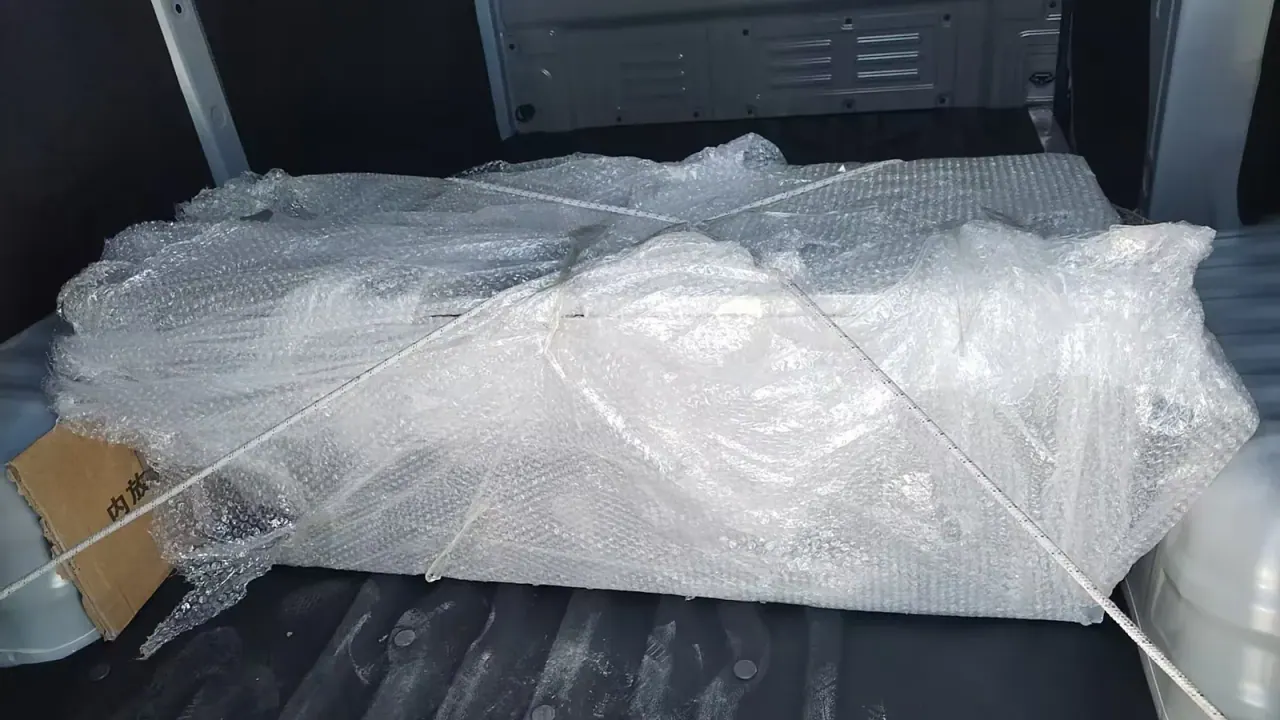
  • Assuming a wrapped item visible in a photograph is included in the order.
  • Selecting the vehicle before confirming charging, registration, diagnostics, and spare-parts support.

What Buyers Can Learn From This Project

  • Keep the recorded project configuration, source-folder labels, and visible media details as separate evidence layers.
  • Use the recorded 51. 39 kWh battery entry as one route-model input, not a range promise.
  • Convert the 3250 kg gross-mass figure into payload only after certified tare, axle limits, tyres, passengers, and accessories are known.
  • Request controlled cargo drawings, door openings, charging specifications, and a completed mass calculation before specifying fit-out.
  • Confirm Burundi's current import, registration, charging, and service requirements with the responsible local parties.

What to confirm for a repeat order

The recorded 51.39 kWh battery configuration can be a comparison point, not an automatic specification for another buyer. Recalculate the route, mass, cargo access, charging and Burundi acceptance path for the next vehicle.

Inputs, controlled records and responsible parties for a comparable order
WorkstreamInputs to confirmRecord requiredWho confirms it
Cargo and routeDaily routes, stop pattern, terrain, climate, intended cargo and required energy reserve.Route-energy calculation with usable energy, auxiliary loads and operating reserve.Buyer / fleet operator and vehicle supplier
Body and accessCargo dimensions, clear door openings, internal layout, lining, restraint and optional equipment.Controlled cargo drawing and signed option list with installation locations.Buyer, vehicle supplier and body or fit-out provider
Mass and rangeTarget payload, full model and battery codes, completed tare, axle loads and tyre limits.Controlled technical sheet plus completed mass and axle-load calculation.Vehicle supplier, body engineer and buyer
Burundi documentsCharging-site supply, steering position, service plan and current Burundi import checklist.Written charging specification, document-responsibility list and importer confirmation.Importer, licensed electrician, supplier and competent local authority

Who confirms what before the next import

KEEYAK coordinates the comparison and open-item review. The vehicle supplier owns product records; the buyer owns the duty cycle; the Burundi importer and competent local parties own local acceptance and filing decisions.

Responsibility and timing for a comparable import
OwnerResponsibilityWhen
Buyer / fleet operatorDefine the electric cargo van task, cargo, route, payload target, stop pattern and service expectations.Before configuration selection
Vehicle supplier / manufacturerConfirm the exact model and battery codes, controlled technical data, warranty, charging specification and product records.Before quotation and production release
Body or fit-out providerConfirm cargo dimensions, door openings, installed options, restraint, finished mass and axle-load effects.Before fit-out approval
Burundi importer / customs brokerObtain the current customs, import and filing checklist for the exact completed vehicle.Before shipment commitment
Licensed electrician / charger supplierConfirm site supply, connector, earthing, protection, installation and commissioning requirements.Before charging-site work
Competent local authority / adviserDecide vehicle acceptance, registration and road-use requirements.Before import and registration
KEEYAK project teamCompare the buyer inputs with the recorded configuration and identify items that still require supplier or local confirmation.During configuration review

Burundi Geely V7E project FAQ

Where and when was this Burundi vehicle shipped?

The reviewed bill of lading records shipment through the Port of Dar es Salaam, Tanzania, in November 2025, with Burundi identified as the onward destination. The public case intentionally omits the customer, document numbers, VIN, vessel details, and other private logistics identifiers.

Is the battery capacity recorded for this order?

Yes. The recorded project configuration includes a Zhixin 51. 39 kWh battery. Those details should be confirmed through the full model and battery codes, controlled technical data, and final vehicle documentation.

Does 3250 kg mean this van can carry 3250 kg of cargo?

No. The recorded 3250 kg value is gross mass, not payload. Cargo allowance depends on the certified gross mass minus completed tare, occupants, installed accessories, and other carried equipment, while each axle and tyre must also remain within its limit. Request a completed weighing and axle-load calculation for the exact vehicle.

What does the 3205 media label mean?

The project configuration separately records a 3200 mm wheelbase, so 3205 must not be silently corrected or treated as the same field. Ask the supplier to define the media label and provide a controlled drawing before using either value in procurement or registration documents.

Are the photographs confirmed as the Burundi project vehicle?

No. They show a visually compatible white V7E closed-panel van, but no country, order number, VIN, or shared project identifier connects them to the Burundi record. They can support layout discussion only and must not be described as photographs of the Burundi vehicle unless a shared project identifier is later confirmed.

What charging details should be confirmed?

The recorded configuration includes only the wording 2C Liquid Cooling, which does not define the connector, charge mode, input, charging curve, or time. Confirm the supported AC and DC modes, connector, voltage and current limits, charger environmental rating, grid supply, earthing, protective devices, installation responsibility, and commissioning plan. Route modelling should use verified usable energy and operational reserve.

Does the OBR guide prove that this V7E can be registered in Burundi?

No. The OBR document provides general customs-clearance and vehicle-registration process context. It does not evaluate this model, battery, charging system, or completed configuration. The importer should obtain the current case-specific checklist and acceptance decision from OBR and the competent transport or registration authority before ordering.

What information is still needed for a similar quotation?

Provide daily routes, payload and cargo dimensions, stop pattern, terrain, climate, charging site, required reserve, steering position, registration documents, optional equipment, and service expectations. The supplier should return a full model code, controlled technical sheet, cargo drawing, mass calculation, charging schedule, and complete document-responsibility list.

Evidence and public boundaries

The recorded project stage and technical configuration are supported by separate records. Customer identity, prices, document numbers, VIN, vessel details and contacts are withheld.

The review covered the project PI, a carrier bill of lading, the KEEYAK media manifest, and six public-safe configuration images. Customer identity, document numbers, VIN, price, payment details, vessel information, and contacts are intentionally withheld. The PI supports the technical values below, while the bill of lading supports the sea-shipment event, discharge port, and shipment month. Neither document establishes arrival in Burundi, local registration, commissioning, or field performance. Image captions describe a separate matched configuration set. The media-folder label 3205 remains undefined; its rounded 51. 4 kWh label is not the source for the recorded 51. 39 kWh value. KEEYAK has authorized the selected public-safe images for website use; held media remains excluded.

  1. P1
    Project PIRestricted project record · reviewed 31 March 2026
    Supports
    Burundi, Geely V7E, Electric cargo van, quantity and the recorded technical configuration.
  2. S1
    Carrier bill of ladingRestricted shipment record · reviewed 31 March 2026
    Supports
    A carrier bill of lading records one van truck shipped on board. Destination port: Port of Dar es Salaam, Tanzania; onward destination Burundi Shipment month: November 2025
  3. M1
    KEEYAK media manifest and 6 public-safe configuration imagesAuthorized public-safe media · reviewed 31 March 2026
    Supports
    Visible configuration and layout observations.
  4. D1
    Farizon official V7E product page Public context · reviewed 31 March 2026
    Supports
    Manufacturer-family or general regulatory context cited in this article.
  5. D2
    Farizon official international V7E context Public context · reviewed 31 March 2026
    Supports
    Manufacturer-family or general regulatory context cited in this article.
  6. D3
    Office Burundais des Recettes vehicle-registration guide Public context · reviewed 31 March 2026
    Supports
    Manufacturer-family or general regulatory context cited in this article.

How this project record was prepared

Author
KEEYAKExport Project Documentation
Technical review
KEEYAK Technical TeamConfiguration and evidence review
Updated
Public country context reviewed on the same date
Method
Project facts, shipment facts, configuration media and public context were checked as separate evidence layers.

Looking to plan a similar procurement?

Send the destination, required job or cargo, target payload or capacity, route and site conditions, preferred chassis, operating constraints and importer document checklist. KEEYAK can turn those inputs into a comparable configuration review.