
A Geely V7E Electric Cargo Van Exported for Comoros
We supplied one Geely V7E electric cargo van for Comoros with a 48 kWh battery and a 1,300 kg rated load. The July 2025 shipment departed from Taicang and travelled via Dar es Salaam.

The 48 kWh V7E configuration
We supplied one Geely V7E electric cargo van for Comoros. This order used a 48 kWh battery, two seats and a 1,300 kg rated load entry. The wheelbase was 3,360 mm.
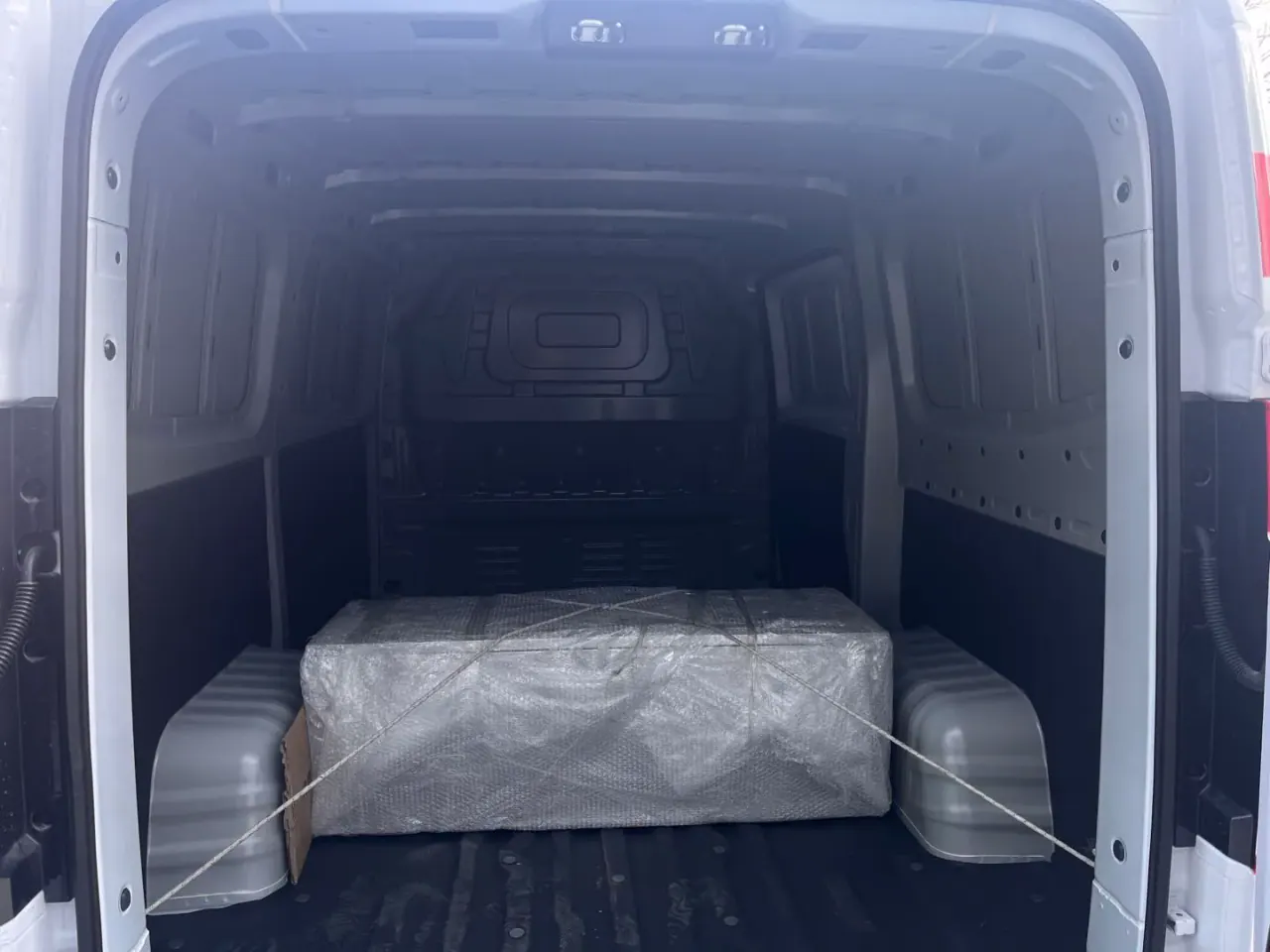
The van combines an enclosed cargo compartment with rear-door access. The reference photographs show the exterior and the opening into the cargo area, which are useful starting points when discussing the size and handling of the goods.
| Specification | Configuration |
|---|---|
| Battery | 48 kWh |
| Rated load | 1,300 kg |
| Seats | Two |
| Wheelbase | 3,360 mm |
Vehicle configuration reference
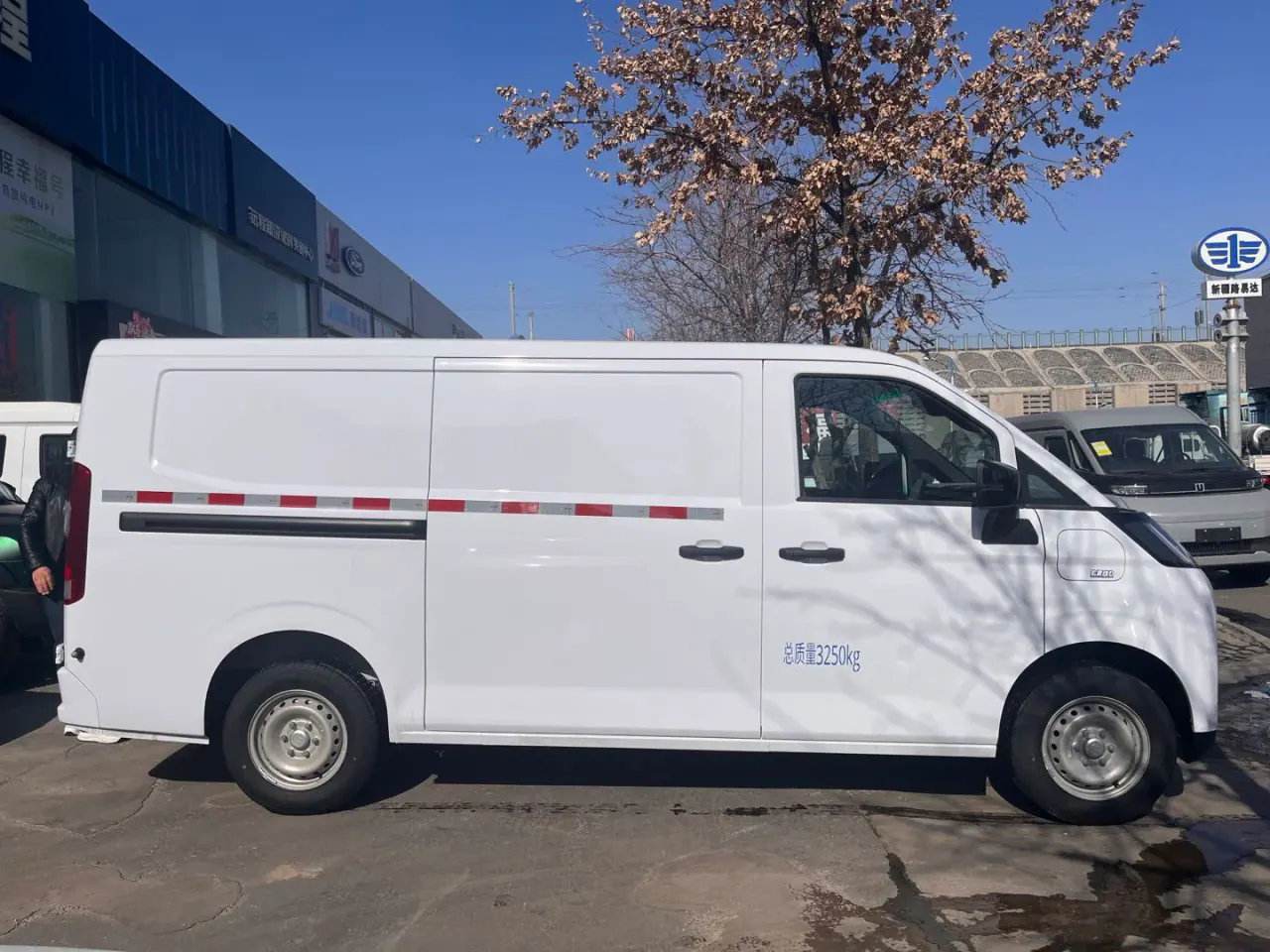
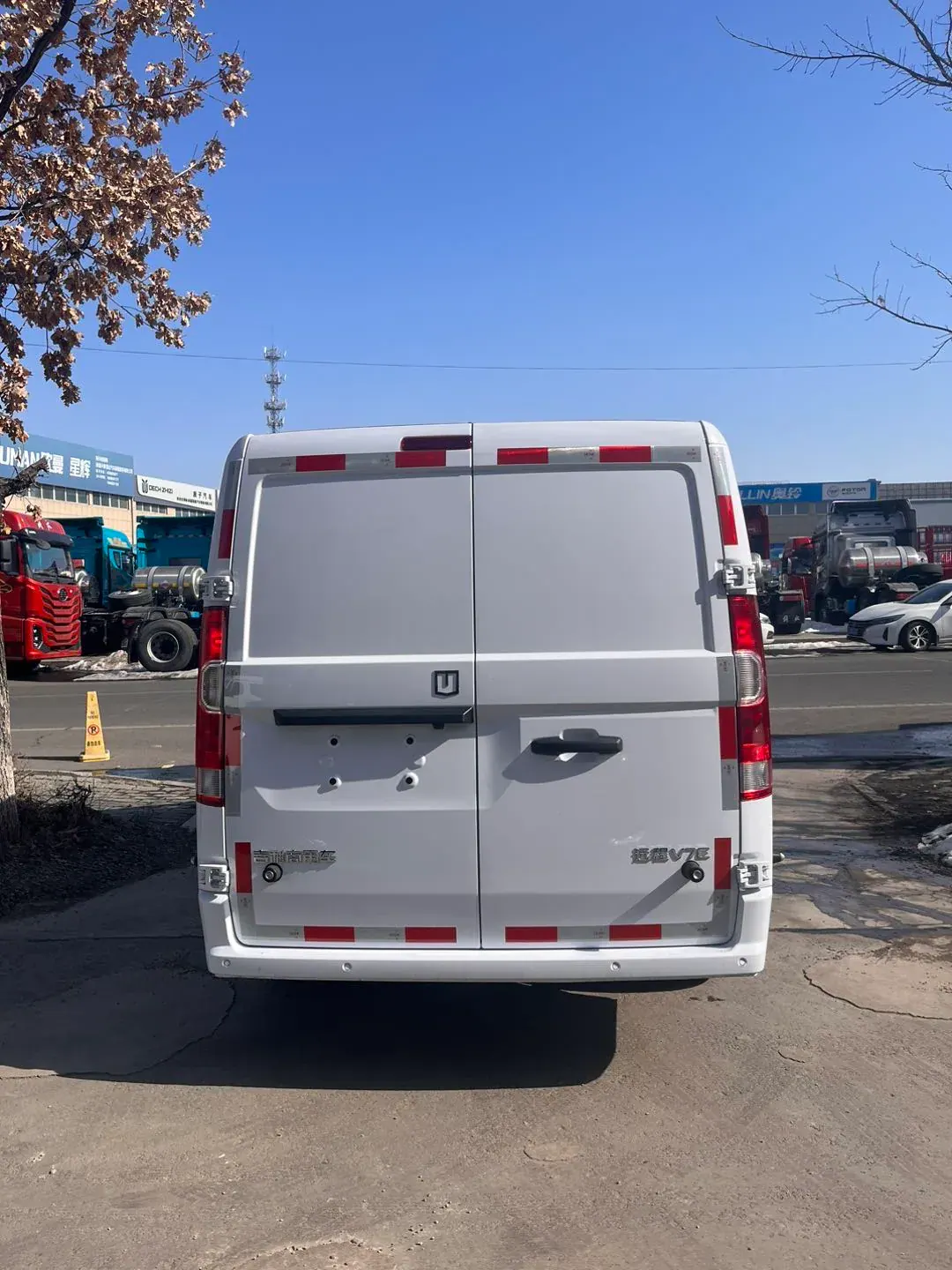
Cargo dimensions and the loading opening
The order specification lists cargo dimensions of 3,260 × 1,630 × 1,320 mm and overall dimensions of 5,305 × 1,745 × 1,985 mm. The cargo-space dimensions and the clear door opening are different checks when deciding whether a load can be carried.
For another van, send the size of the packaged goods and explain how they will pass through the doors. Allow for the supports, wrapping and handling equipment that travel with them. If shelving is required, include its mass and the space it occupies.
Use the cargo layout to discuss the loading sequence. Goods needed at the first stop should be accessible without unnecessarily moving the rest of the delivery.
Vehicle configuration reference
Turn the route into an energy requirement
A battery figure is useful for identifying the version, but route planning needs more detail. Record a typical day’s distance, the heaviest load, repeated stops and the time spent using cab heating or cooling.
Ask for the basis of any proposed range estimate, including the reserve left at the end of the route. If the van must cover an occasional longer trip, describe that separately from the normal day. A plan built around an average distance may leave that longer duty unresolved.
The 48 kWh Comoros order should also be kept distinct from other V7E configurations. The same model name does not mean that battery capacity, dimensions or charging equipment are identical.
For more detail, see Calculating commercial EV range and route reserve.
Agree the charging arrangement before dispatch
For a new purchase, identify the power supply and charging equipment available at the parking location. Ask the supplier to confirm the vehicle connector, charger compatibility and the charging window needed for your route.
If more than one van will charge at the same site, include the number of vehicles and their arrival and departure times. That information helps distinguish vehicle charging needs from the electrical capacity required at the site.
Charging-time comparisons should use the same start and end state of charge and stated conditions. Treat a brochure charging figure as a configuration-specific reference, rather than assuming it describes every charger or daily operating situation.
For more detail, see Planning depot charging for commercial electric vehicles.
The shipment route
The July 2025 shipment departed from Taicang and travelled via Dar es Salaam for the Comoros order. The transport route is part of this order’s story, alongside the selected van configuration.
For your enquiry, name the final destination and the port or onward transport arrangement you expect. We can then discuss the vehicle, charging compatibility and shipping scope against the same requirement.
Planning an electric van order?
Send us your destination, cargo requirements and charging arrangements so we can discuss the available configuration.