
A 20 m³ SHACMAN F3000 Water Tanker Shipped to Sudan
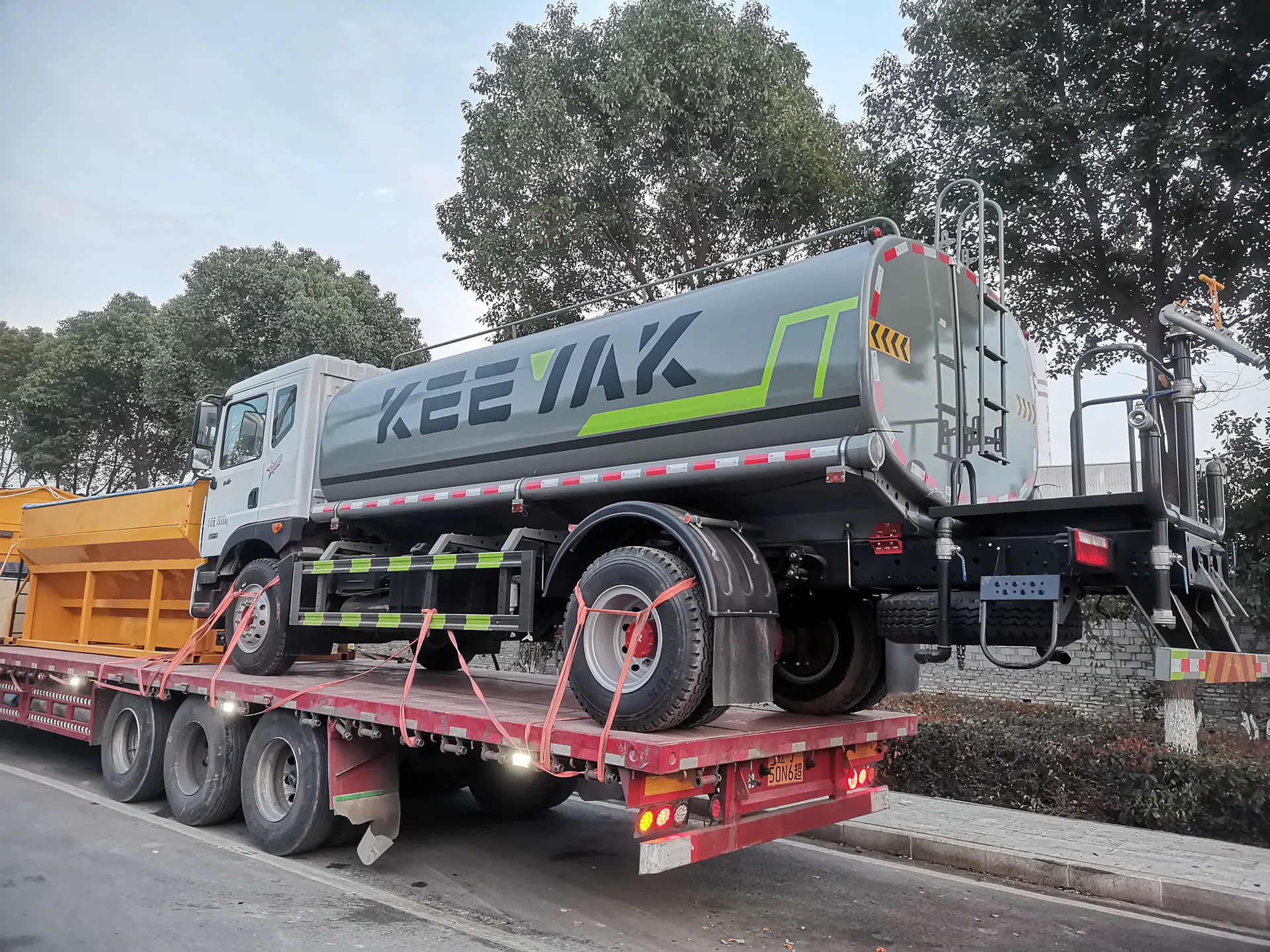
We supplied a SHACMAN F3000 water tanker for Sudan with a 20 m³ tank configuration. The vehicle was shipped from Lianyungang to Sudan Port in February 2026.

The 20 m³ F3000 configuration
Our Sudan order specified a SHACMAN F3000 6×4 water tanker with a 20 m³ tank. The vehicle was shipped from Lianyungang to Sudan Port in February 2026.
The configuration included a 4,375 + 1,400 mm wheelbase, a WP12.430E201 engine and a 12-speed manual transmission. The tyres were specified as 12.00R24, with air brakes.
The tank material was carbon steel with anti-rust and anti-corrosion treatment. For another tanker, the water and intended service should be described before the tank and wetted equipment are selected.
| Specification | Configuration |
|---|---|
| Chassis configuration | SHACMAN F3000, 6×4 |
| Tank volume | 20 m³ |
| Wheelbase | 4,375 + 1,400 mm |
| Engine | WP12.430E201 |
| Transmission | 12-speed manual |
| Tank material | Carbon steel with anti-corrosion treatment |
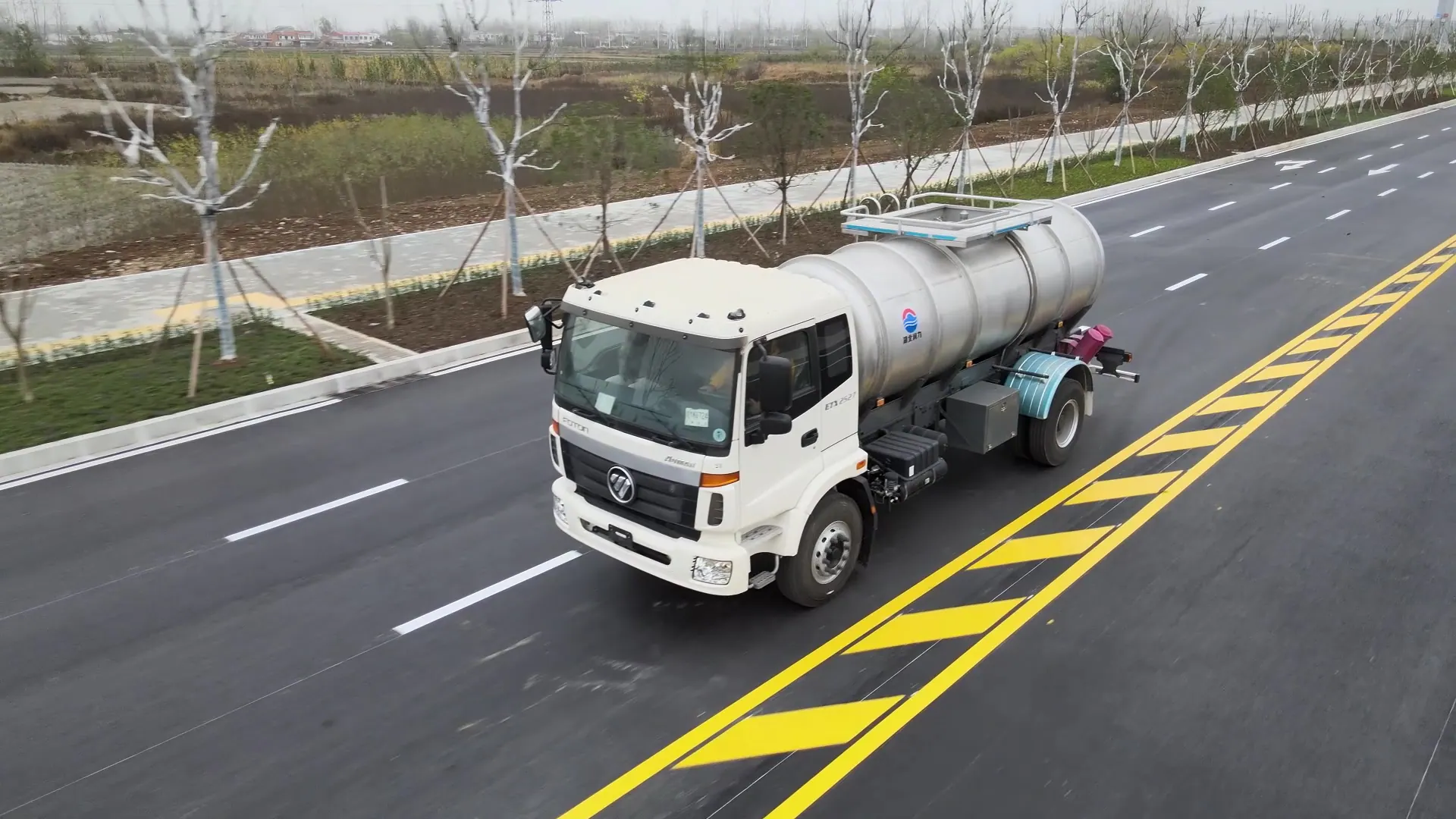
Vehicle configuration reference
Review the water load with the completed vehicle
The 20 m³ figure identifies the tank configuration in this order. For a new purchase, convert the intended usable water volume to mass on an agreed density basis, then review the finished truck and operating equipment against gross and axle limits.
The tank’s physical size does not by itself establish how much may be carried on a particular route. Ask for the proposed fill conditions and cargo allowance to be stated together, including any limits that affect partial loads.
If the requested volume does not fit within the completed-vehicle limits, the configuration or operating fill limit needs to be reviewed. That discussion should happen before treating the tank size as the final carrying requirement.
For more detail, see Sizing water tanker volume within legal payload limits.
Map the filling and discharge points
Tell us where the truck will fill, where it will discharge and what connections exist at each point. Include the hose distance, elevation difference and whether the transfer arrangement relies on gravity or a pump.
The pump, valves, hoses and piping should be selected for that path. A maximum pump figure alone does not describe the transfer time through a particular hose and height difference.
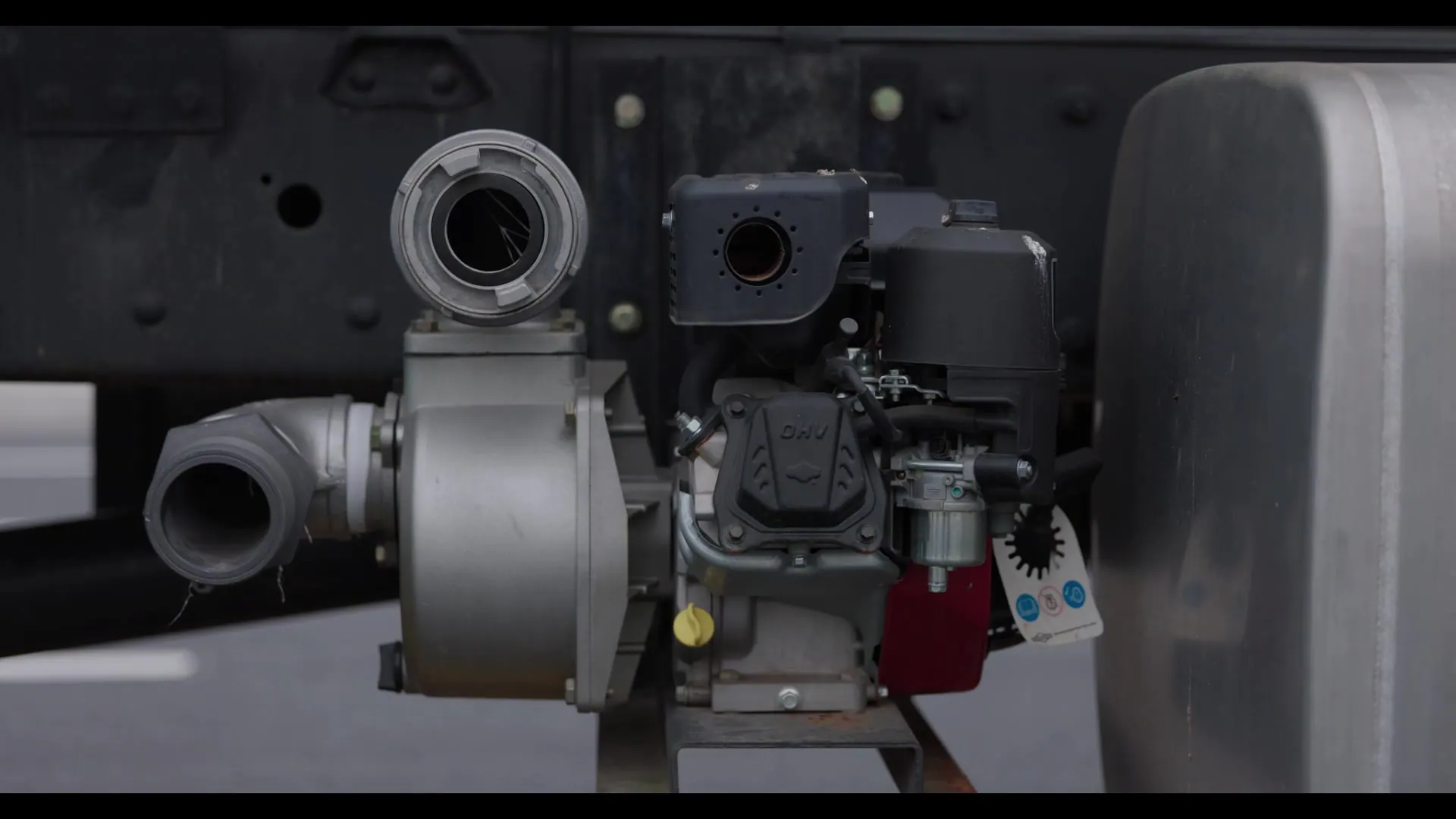
The equipment reference photograph illustrates a pump and discharge area. For a new order, ask for the proposed flow path and equipment list to be shown together, with access for inspection and maintenance.
For more detail, see Specifying water tanker baffles, pumps and piping.
Vehicle configuration reference
Match materials and cleaning to the water service
Describe the water quality and intended use. The tank, lining, valves, pump, hoses and couplings all form part of the wetted path, so the material review should cover more than the shell.
If drinking-water service is required, state it explicitly and have the complete proposed arrangement assessed against the applicable requirements. A carbon-steel coating or a stainless material name alone does not establish suitability for that service.
Ask how the tank and equipment will be cleaned and inspected under the supplied procedures. Access and maintenance requirements should be part of the body design and handover discussion.
Plan the full delivery cycle
For a comparable tanker, provide the daily water demand and the time available for filling, travel, discharge and return. Include queues or access restrictions at the supply and receiving points.
Those details help decide whether the main constraint is carried volume, transfer time or the route itself. They also provide a basis for comparing two tanker proposals on the same work.
Send that operating brief with the destination and preferred chassis. We can then discuss the tank, transfer equipment and vehicle as one package, using this Sudan order as a configuration reference.
Discuss a water tanker order
Tell us the intended water use, tank capacity and filling and discharge connections you need.