JAC 1040S Drop-Side Truck Order Project for Angola — Drop-Side Body Project

This confirmed-order case covers a JAC 1040S drop-side truck for Angola. The project identity is real, but the reviewed evidence does not contain the final engine, transmission, wheelbase, completed dimensions, certified masses, payload, tyres, steering position, emissions package, or body drawing for this order. Buyers should treat every missing field as a procurement input rather than copy values from another country's quotation or from the media-folder label.

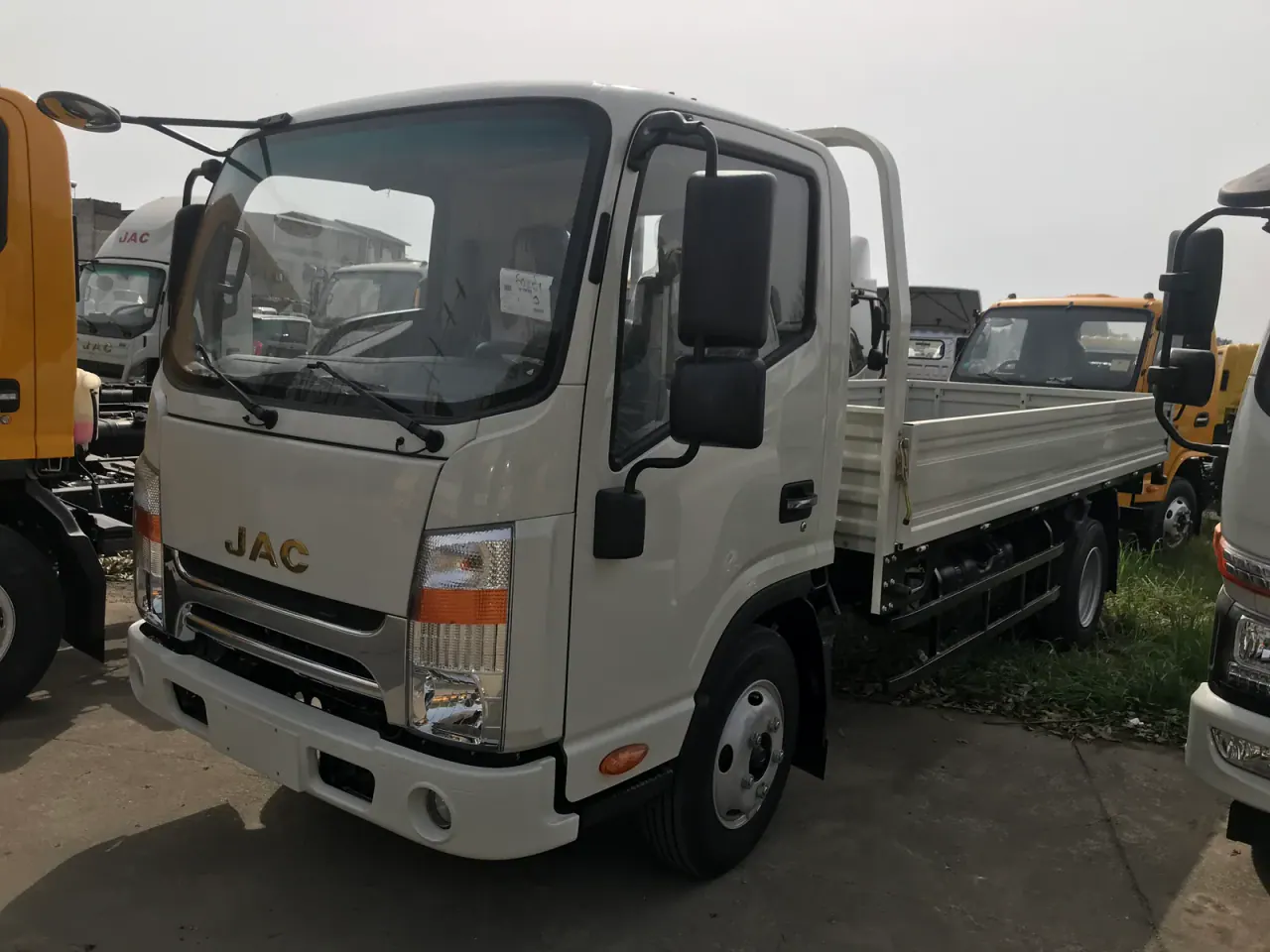
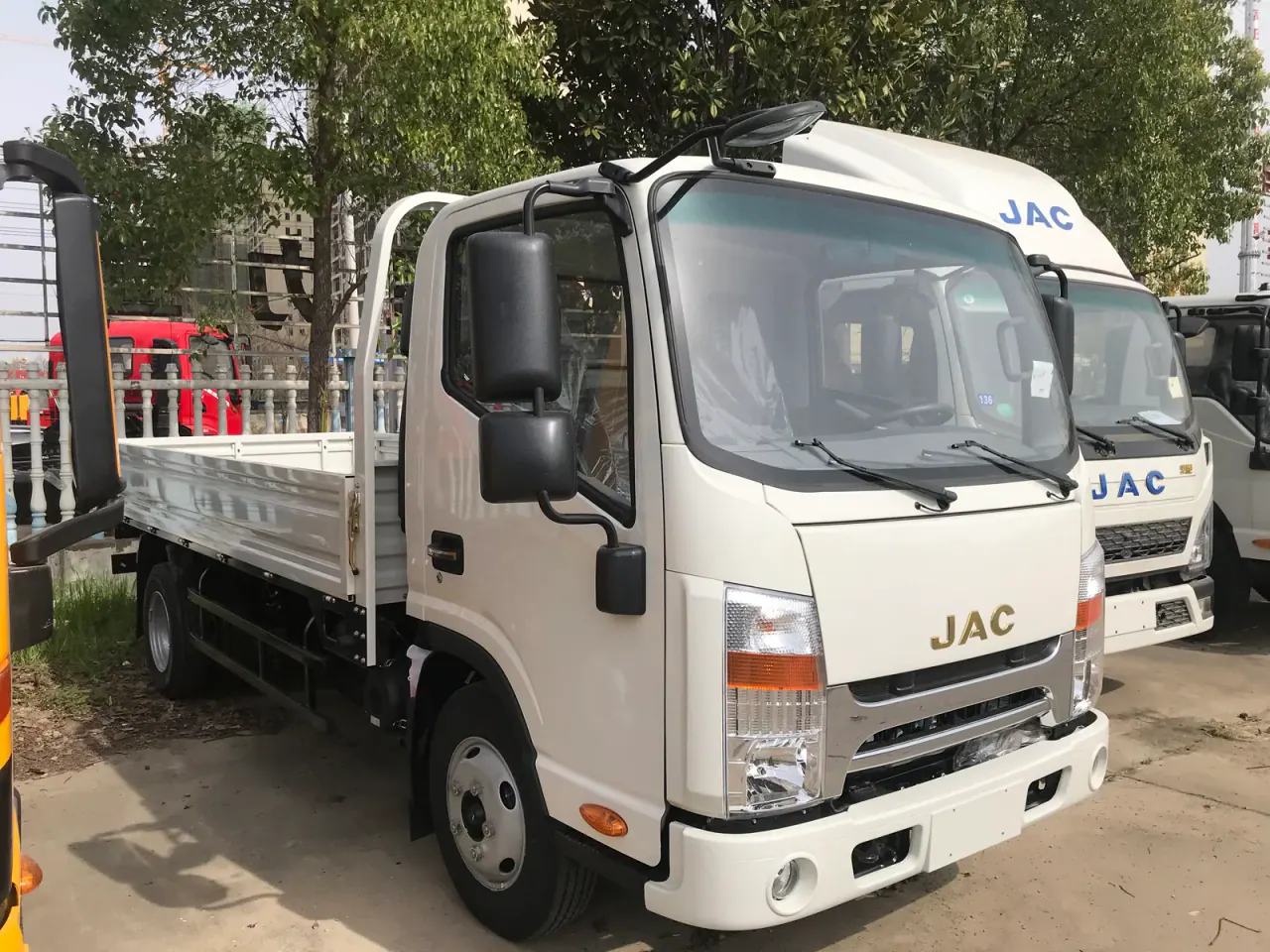
JAC 1040S drop-side truck configuration presented against a plain background
Destination
Angola
Vehicle
JAC 1040S
Configuration
JAC 1040S chassis and drop-side body type
Shipment
Confirmed order; production, shipment and delivery are not evidenced
Evidence
Order record + separate media

Project at a glance

The project record connects the destination, vehicle and configuration to the recorded order stage.

FieldRecorded Project Information
DestinationAngola
Project statusConfirmed order; production, shipment and delivery are not evidenced
ChassisJAC 1040S
Vehicle typeDrop-side truck
Primary recorded specificationJAC 1040S chassis identity and drop-side body type
Evidence reviewedOrder record, Angola customs document, quotation master exclusion review, media manifest, and separate 1040-labelled photographs

JAC 1040S recorded technical configuration

These values come from the reviewed project PI.

SpecificationRecorded Value
Destination countryAngola
Chassis brandJAC
Commercial model1040S
Vehicle typeDrop-side truck
Drop-side body dimensionsTo be confirmed on a controlled final body drawing

The separate media folder contains 1040, 3360, and 4. 2 m labels. They are not linked to the Angola order and are therefore not used as actual project parameters. A controlled body drawing should state the inside and outside length, width, panel height, floor height, rear overhang, body mass, and restraint points.

What These Specifications Mean for Buyers

Recorded SpecificationPractical InterpretationWhat to Confirm for a Similar Order
JAC 1040S identityDefines the ordered commercial model, not the full chassis code or market package.Manufacturer code, data-plate fields, steering, emissions, and component list
Drop-side truck typeDefines the intended body concept, but not its dimensions or ratings.Signed body drawing, floor, panels, latches, subframe, and tie-down ratings
Unrecorded mass valuesPayload cannot be inferred without the completed truck.GVW, curb mass, axle ratings, tyre ratings, occupants, and legal payload
Unlinked media labelsUseful for finding a visual reference, not for specifying the Angola order.Exact order-to-vehicle identifier and final controlled specification
Angola destinationIdentifies the market to assess, not an approval resultCurrent homologation-before-import route, vehicle category and document checklist

Configuration Suitability and Limitations

This Configuration May Be Suitable For

A JAC 1040S drop-side truck may suit bagged goods, agricultural inputs, tools, equipment, and general cargo that can be safely contained and restrained while benefiting from side or rear loading. Final suitability depends on the completed chassis and body, cargo mass, axle distribution, route, altitude, and applicable legal limits.

A Different Configuration May Be Needed When

A different wheelbase or body length may be required for bulky cargo, while a higher-GVW chassis may be needed for dense loads. Enclosed, refrigerated, stake, tipper or hazardous-goods bodies serve different cargo risks. Steep, rough or high-altitude routes may also require a different engine rating, gearing, tyre, braking or cooling package. Steering position, emissions level and safety equipment must follow the current Angolan route.

What Is a Drop-Side Truck?

A drop-side truck uses a chassis cab with a cargo deck enclosed by low hinged side panels and usually a hinged tail panel. Operators can lower selected panels to load or unload from the side or rear. The basic design is useful when cargo needs easier access than an enclosed box provides and can be secured against movement and weather exposure.

The vehicle is also called a sideboard truck in some markets. It differs from a flatbed, which normally has no full side panels, and from a stake or fence truck, which uses taller posts or cage-style extensions. These names should not be exchanged casually in a quotation: body dimensions, panel height, removable posts, floor construction and restraint points change the usable configuration.

Recorded Intended Use and Typical Applications

Intended Use Recorded for This Project

The buyer should supply the cargo type, unit mass, packaging, loading equipment, route, gradients, crew needs and daily distance before the chassis and body are finalised.

Typical Applications of This Vehicle Type

Typical uses include packaged food, agricultural supplies, construction materials, tools, machinery and other general cargo requiring side or rear access. These are general applications, not this project's recorded use. Loose aggregate, liquids, live passengers in the body, hazardous goods and concentrated machinery loads require a different body or additional engineering analysis.

Key Specifications Buyers Should Compare

Decision FactorWhy It MattersQuestions to Ask the Supplier
Exact 1040S identityThe model suffix can affect the chassis code, approved masses, components and document setWhich manufacturer code and nameplate fields will appear on every commercial and registration document?
Drop-side body interfaceFlatbed and drop-side bodies have different panels, body mass and restraint detailsWhat signed drawing defines the subframe, inside dimensions, panel height, floor, latches and tie-down ratings?
Wheelbase and final envelopeAxle spacing and body length affect manoeuvrability and load distributionWhat are the final wheelbase, cab-to-axle distance, body dimensions and rear overhang?
Powertrain and route dutyEngine, gearing and cooling must match load, gradient, altitude and speed expectationsWhat engine, torque curve, axle ratio, gradeability and cooling package support the route?
Completed mass and axle loadsBody, occupants, accessories and cargo can overload one axle before the total limit is reachedWhat are the measured completed tare and empty, evenly loaded and concentrated-load axle cases?
Brakes, tyres and service partsSafe operation and downtime depend on the complete running-gear package and local supportWhich brake specification, tyre size and load index, filters, clutch parts, manuals and diagnostics are available in Angola?
Market documentationHomologation can depend on exact identity and completed-vehicle dataWhich documents will repeat the same model, body type, masses, dimensions and engine identity?

What the Angola importer should confirm before ordering

Confirmation ItemWhy It MattersWho Should Confirm It
Homologation before importAngola's Ministry of Transport states that vehicles must be homologated by ANTT before import under the cited ruleImporter, ANTT and local compliance adviser
New or used statusThe official source discusses age limits for used light and heavy vehicles, while this record does not state vehicle conditionImporter and customs adviser
Exact 1040S and body identityApproval and parts checks must use the exact chassis variant and define drop-side rather than flatbedSupplier, body builder, chassis representative and ANTT
Completed weights, payload and axle loadsNo final mass record is linked to this orderSupplier engineer and competent Angolan authority
Final dimensionsBody installation determines the completed envelopeSupplier engineer, freight forwarder and registration adviser
Document language and legalizationManufacturer, customs and registration records may need prescribed forms or authenticationImporter, customs broker and competent authority
Local maintenance pathwayFilters, tyres, brake parts and diagnostics should be available for the exact variantOperator and authorised service provider

Common Selection Mistakes

  1. Calling a flatbed a drop-side truck. A drop-side body needs hinged panels, latches and a controlled body specification; an open deck is not equivalent.
  2. Copying wheelbase or body-length values from the media folder. The media set has no order-level identifier.
  3. Calculating payload from an unrelated quotation. Completed mass, occupants, body, axle limits, tyres, and local rules must all be linked to this order.
  4. Assuming the visual body is the final body. The signed drawing must define the panels, floor, subframe, latches, and restraints.
  5. Leaving homologation until arrival. The official Angola source makes prior homologation a gating question.

What Buyers Can Learn From This Project

  • Resolve the 1040S identity across the configuration sheet, nameplate and destination documents.
  • Freeze the drop-side body on a controlled drawing instead of treating a flat deck, wheelbase or folder label as usable body length.
  • Obtain the exact wheelbase, completed envelope, and body drawing from the Angola-order document set.
  • Calculate payload from the completed truck, axle ratings, tyres, occupants, and intended load distribution.
  • Match the verified powertrain, brake system, and service plan to the actual Angola route.
  • Treat photographs as layout evidence, not proof of homologation, payload, shipment or delivery.

What to confirm for a repeat order

The recorded JAC 1040S chassis and drop-side body type can be a comparison point, not an automatic specification for another buyer. Recalculate the route, mass, cargo access, Angola acceptance path for the next vehicle.

Inputs, controlled records and responsible parties for a comparable order
WorkstreamInputs to confirmRecord requiredWho confirms it
Operating taskOperating task, route conditions, intended load, work cycle and performance target.Controlled duty-cycle and performance requirement sheet.Buyer / fleet operator and vehicle supplier
Body dimensionsCargo dimensions, clear door openings, internal layout, lining, restraint and optional equipment.Controlled cargo drawing and signed option list with installation locations.Buyer, vehicle supplier and body or fit-out provider
Mass and ratingsTarget payload or rated capacity, full model codes, completed tare, axle loads and tyre limits.Controlled technical sheet plus completed mass and axle-load calculation.Vehicle supplier, body engineer and buyer
Angola documentsSteering position, service plan and current Angola import and registration checklist.Document-responsibility list and written importer confirmation.Importer, licensed electrician, supplier and competent local authority

Who confirms what before the next import

KEEYAK coordinates the comparison and open-item review. The vehicle supplier owns product records; the buyer owns the duty cycle; the Angola importer and competent local parties own local acceptance and filing decisions.

Responsibility and timing for a comparable import
OwnerResponsibilityWhen
Buyer / fleet operatorDefine the drop-side truck task, cargo, route, payload target, stop pattern and service expectations.Before configuration selection
Vehicle supplier / manufacturerConfirm the exact model and major component codes, controlled technical data, ratings, warranty and product records.Before quotation and production release
Body or fit-out providerConfirm cargo dimensions, door openings, installed options, restraint, finished mass and axle-load effects.Before fit-out approval
Angola importer / customs brokerObtain the current customs, import and filing checklist for the exact completed vehicle.Before shipment commitment
Competent local authority / adviserDecide vehicle acceptance, registration and road-use requirements.Before import and registration
KEEYAK project teamCompare the buyer inputs with the recorded configuration and identify items that still require supplier or local confirmation.During configuration review

Angola JAC 1040S project FAQ

Do the photographs confirm a JAC 1040S?

No. The media folder is labelled JAC 1040, while the order record says JAC 1040S. The images visibly support the JAC brand and drop-side body layout, but not the suffix. A manufacturer-controlled data sheet, vehicle identity field or shared order identifier must reconcile the difference before the photographs are described as this order's vehicle.

Can the 3360 media label be used as the Angola-order wheelbase?

No. It appears in an unlinked media-folder label and is not supported by the matched Angola order evidence. Request a revision-controlled chassis sheet and body drawing that identify the wheelbase, inside and outside body dimensions, panel height, floor height, and rear overhang.

What payload was specified for the Angola order?

It must be calculated from the completed body, certified masses, occupants, options, axle capacities, tyre ratings, load distribution, and Angola-market rules.

Is a flatbed the same as a drop-side truck?

No. A flatbed normally has an open deck, while a drop-side truck has low hinged side panels and usually a hinged tail panel. The body mass, dimensions, latches, subframe and restraint provisions can differ, so the final contract and body drawing should use the exact body term.

Does the road-transport-platform photo prove export shipment?

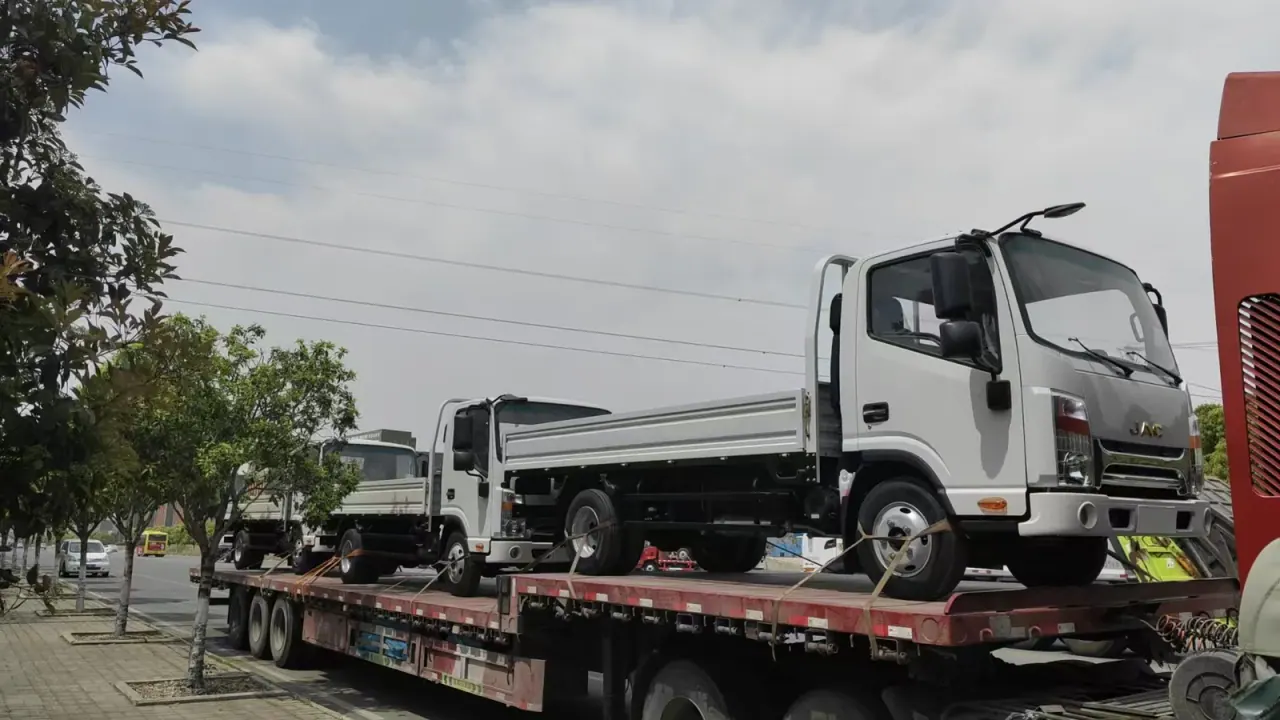
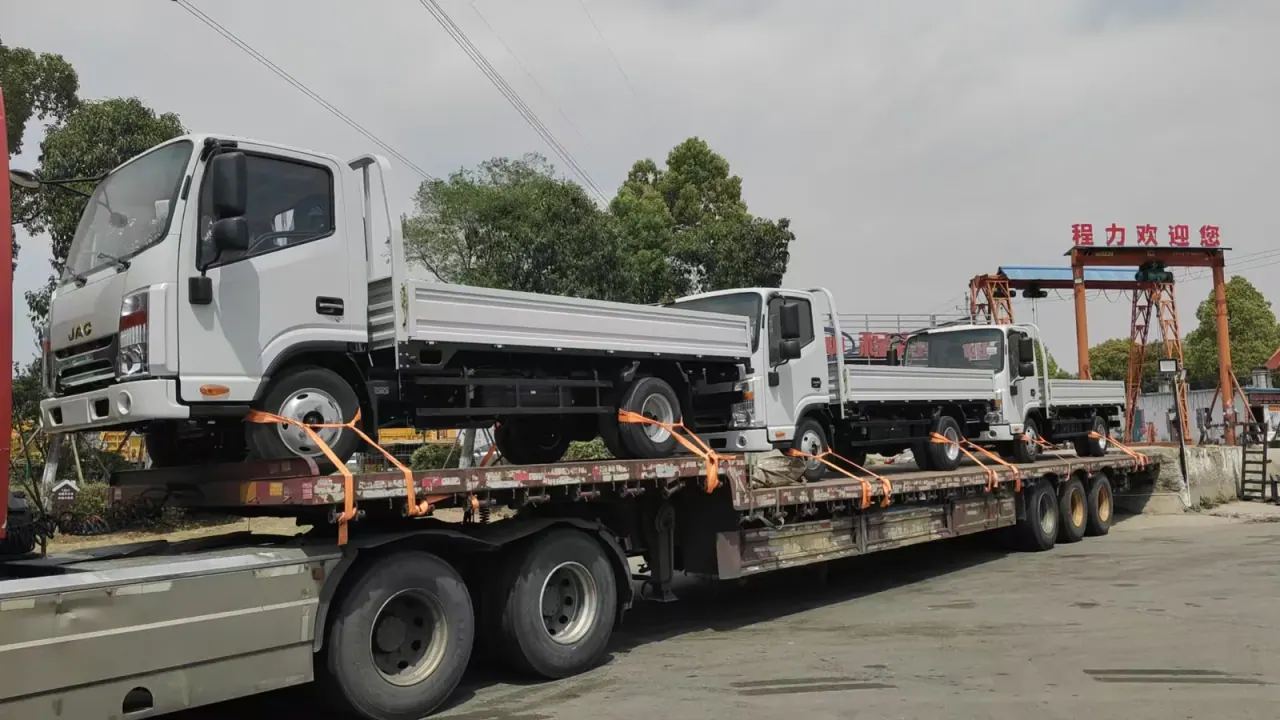
No. It shows comparable trucks secured on a road transport platform at an unspecified location. There is no destination marker, transaction identifier, port activity or shipping document in the supplied image evidence. The project status remains confirmed order, with production, shipment and delivery not evidenced.

Is this JAC 1040S already homologated for Angola?

No approval document was provided. Angola's Ministry of Transport source supports the need to address ANTT homologation before import, but it does not approve this model or body. The importer should confirm the current procedure, exact vehicle category, required documents, inspections and any model-specific conditions directly with competent local parties.

What information should accompany a similar-order request?

Provide Angola as the destination, intended cargo, maximum loaded mass, package dimensions, loading method, desired inside body size, preferred chassis, steering position, emissions requirement, route surfaces, gradients, climate, maintenance resources and optional equipment. Also ask the local adviser for the current homologation and customs document list before the supplier freezes the configuration.

Evidence and public boundaries

The recorded project stage and technical configuration are supported by separate records. Customer identity, prices, document numbers, VIN, vessel details and contacts are withheld.

The review covered the internal order record, a country-specific customs document, the quotation master, the media manifest, and six public-safe configuration images. No bill of lading or exact final configuration document could be matched to the Angola order. Customer identity, document numbers, prices, payment information, and contacts are withheld. KEEYAK has authorized the selected images for website use, but they remain unlinked to the order.

  1. P1
    Project PIRestricted project record · reviewed 16 March 2026
    Supports
    Angola, JAC 1040S, Drop-side truck, quantity and the recorded technical configuration.
  2. M1
    KEEYAK media manifest and 4 public-safe configuration imagesAuthorized public-safe media · reviewed 16 March 2026
    Supports
    Visible configuration and layout observations.
  3. D1
    JAC Motors New N-Series Trucks Public context · reviewed 16 March 2026
    Supports
    Manufacturer-family or general regulatory context cited in this article.
  4. D2
    Angola Ministry of Transport guidance on vehicle-import law Public context · reviewed 16 March 2026
    Supports
    Manufacturer-family or general regulatory context cited in this article.

How this project record was prepared

Author
KEEYAKExport Project Documentation
Technical review
KEEYAK Technical TeamConfiguration and evidence review
Updated
Public country context reviewed on the same date
Method
Project facts, order-stage facts, configuration media and public context were checked as separate evidence layers.

Looking to plan a similar procurement?

Send the destination, required job or cargo, target payload or capacity, route and site conditions, preferred chassis, operating constraints and importer document checklist. KEEYAK can turn those inputs into a comparable configuration review.