
An ISUZU Double-Cab Tow Truck Exported to Mongolia
We exported an ISUZU double-cab tow truck to Mongolia by land in April 2025. Its recovery platform measures 5,400 × 2,300 mm.

A double cab with a 5,400 mm recovery platform
We exported an ISUZU double-cab tow truck to Mongolia by land in April 2025. Its recovery platform measures 5,400 × 2,300 mm, fitted behind the two-row cab.
The chassis specification includes a 5,200 mm wheelbase and a 4HK1-TCG61 engine rated at 190 hp. The transmission is an ISUZU MLD six-speed manual, and the gross mass entry is 11 tonnes.
The cab and platform need to be considered together for a similar order. Passenger requirements affect the cab selection, while the recovered vehicles determine the deck and equipment requirements.
| Specification | Configuration |
|---|---|
| Cab arrangement | Double cab |
| Platform | 5,400 × 2,300 mm |
| Wheelbase | 5,200 mm |
| Engine | 4HK1-TCG61, 190 hp |
| Gross mass | 11 tonnes |
| Winch | 4 t rating |
Vehicle configuration reference
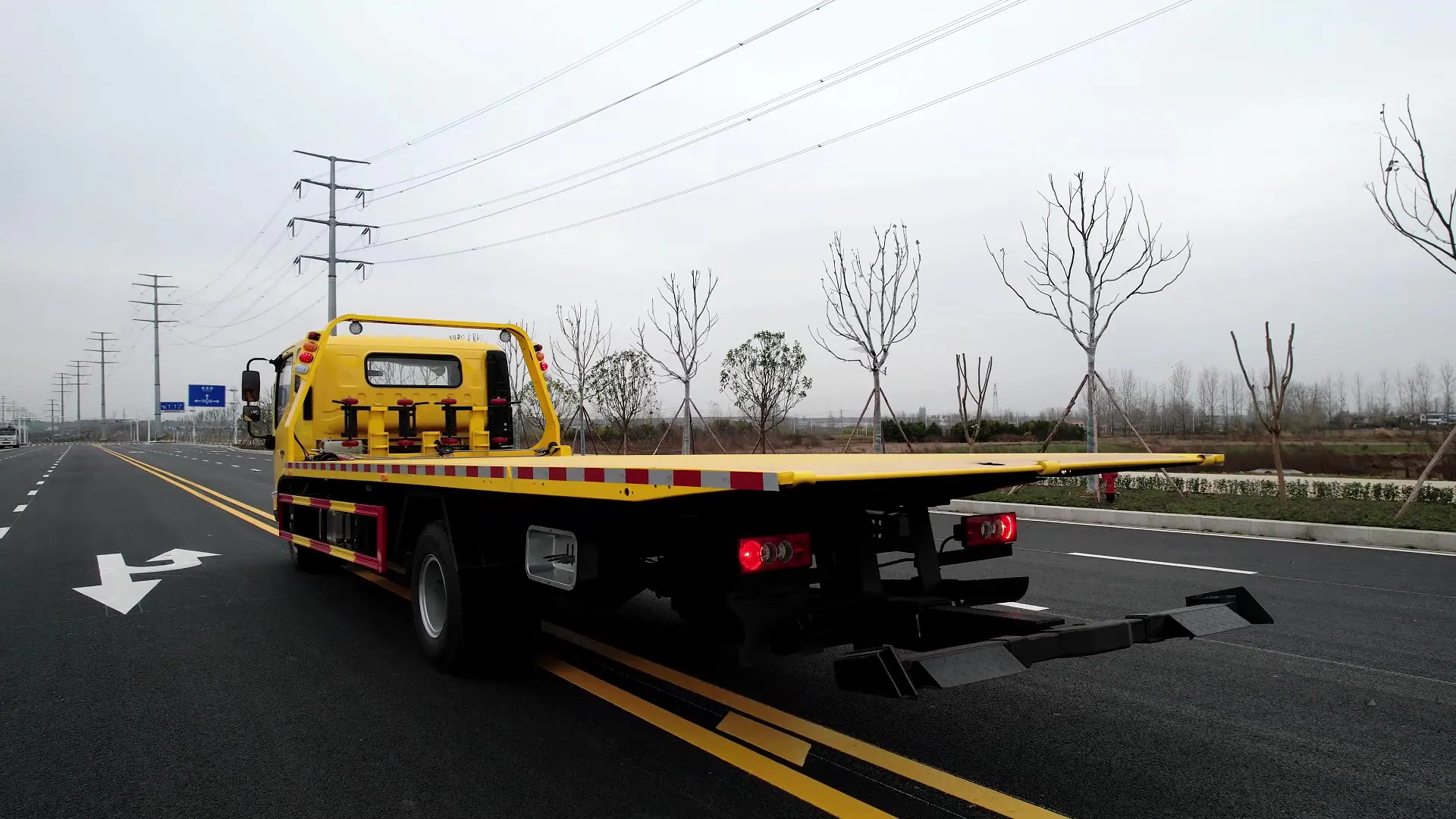
The recovery and chassis equipment
A 4 t winch was listed for this configuration. The chassis equipment included ABS, air brakes, a differential lock and air conditioning.
The reference views show the platform and a loading demonstration on this type of recovery truck. They are useful for understanding the body arrangement, while capacity and compatibility need to be assessed from the proposed vehicle’s ratings and instructions.
For another double-cab order, state the required number of passengers and any equipment they will carry. Include those loads in the completed-vehicle review rather than treating the recovery body in isolation.
Vehicle configuration reference
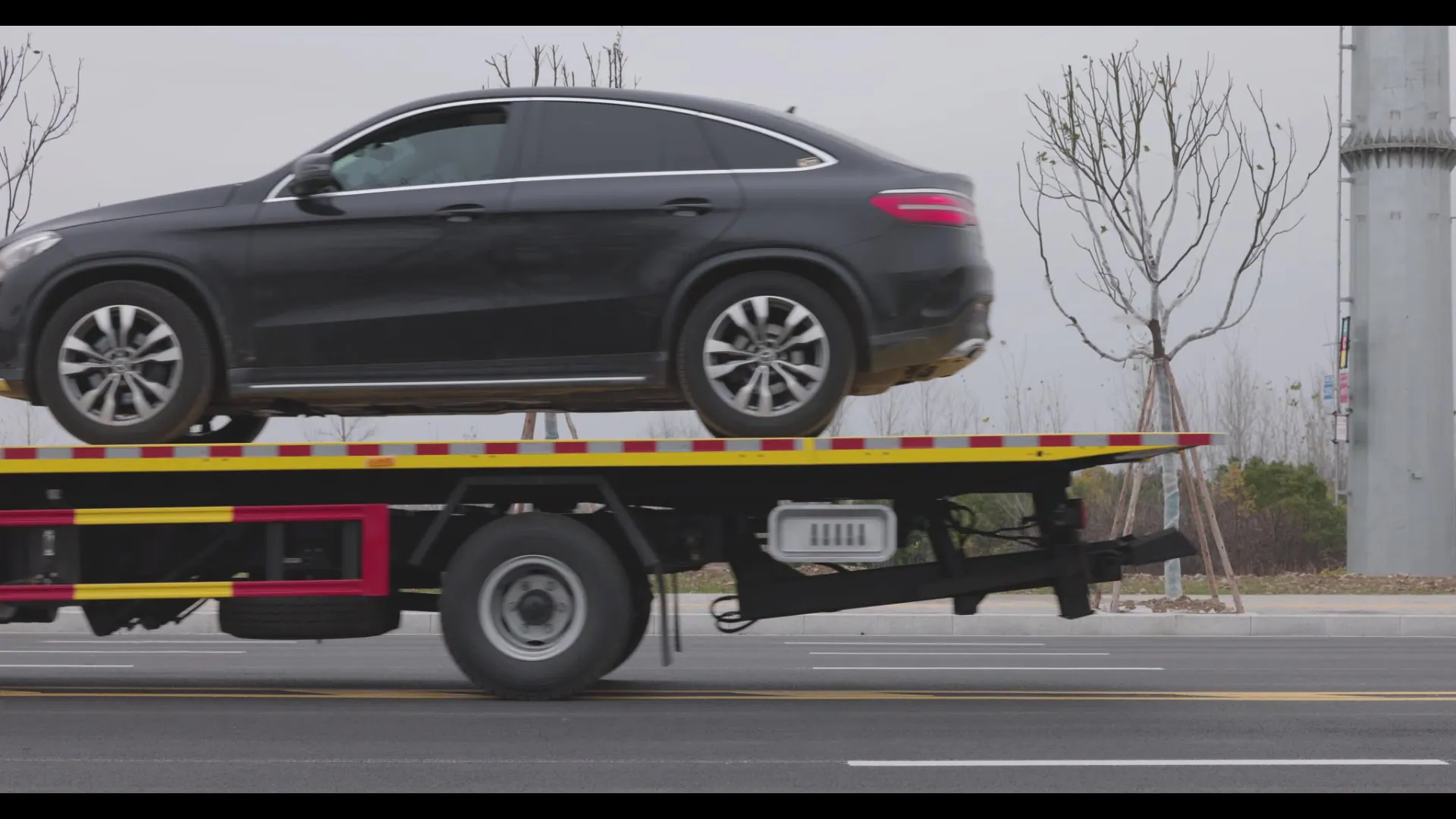
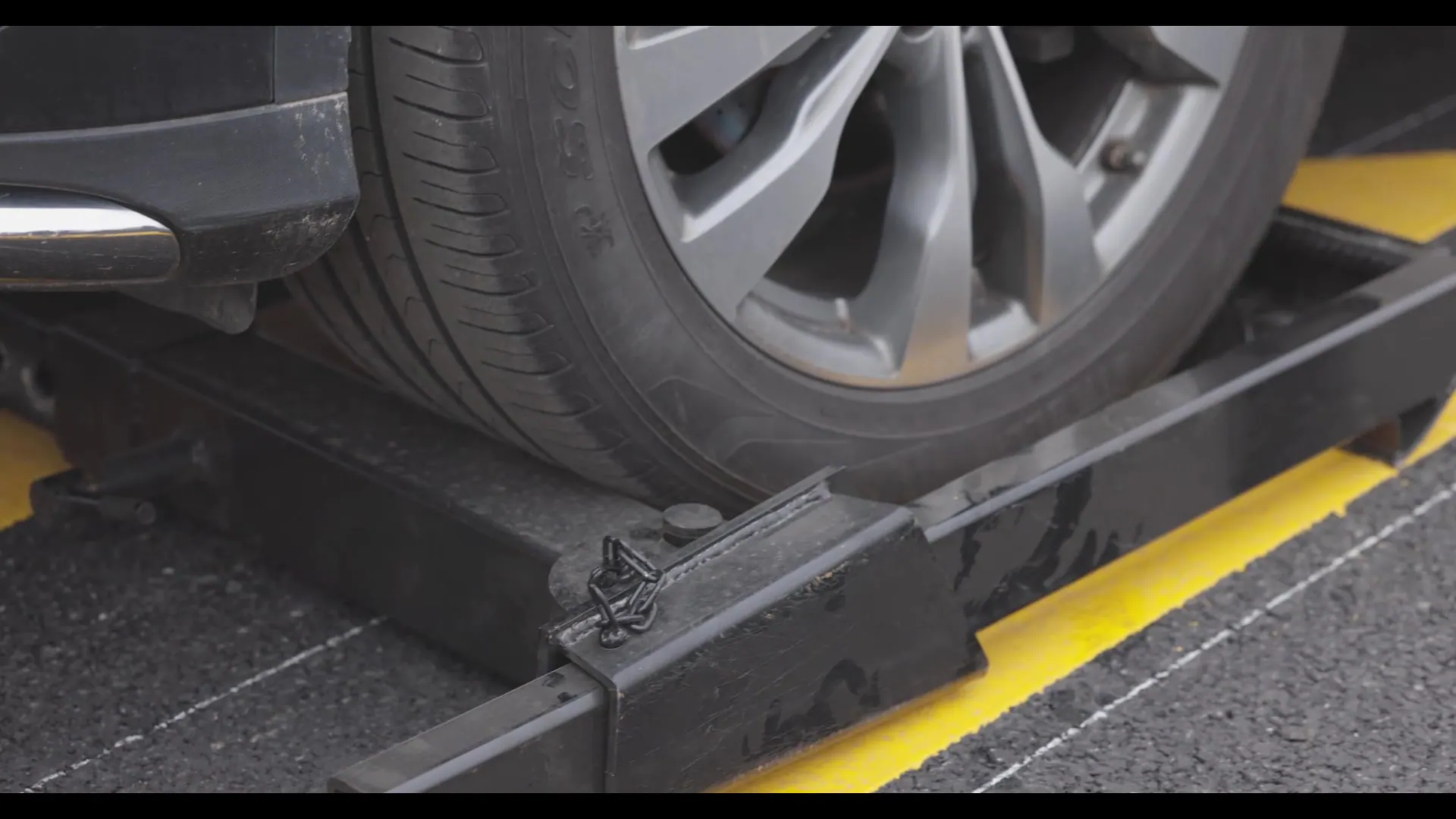
Match the bed to representative recovery vehicles
List the vehicles that make up the main part of your recovery work. Give their dimensions, weight, wheelbase and ground clearance, including any vehicles that are unusually long or low.
Ask for a loading-path review as well as a check of the available deck space. The approach to the platform and the transition onto it can matter even where the overall length appears to fit.
The operator also needs space to position the truck and use its equipment. Describe the type of sites involved, such as confined parking areas or roadside collection points, without assuming one deck arrangement serves every job.
For more detail, see Wrecker deck length and loading angle for low-clearance vehicles.
Separate gross mass, platform load and winch rating
The 11-tonne gross mass entry is the total-vehicle figure in this order’s specification. It is not an 11-tonne recovered-vehicle payload. The chassis, double cab, recovery body, occupants and equipment all contribute to the completed working mass.
The 4 t winch figure concerns the pulling equipment under its specified conditions. Ask for the relevant winch instructions and the platform and completed-vehicle limits separately.
For a quotation, have the supplier review axle loading with the intended recovered vehicle positioned on the bed. Adding passengers or equipment should be reflected in that calculation.
For more detail, see Wrecker capacity: deck, winch, tow and lift ratings.
Planning another land-export order
The Mongolia truck travelled by land in April 2025. For another purchase, identify the receiving location and which transport stages the quotation should include.
Send the passenger requirement, representative recovery vehicles and destination with the enquiry. We can then discuss the double-cab chassis, platform and transport scope against the same brief.
Planning a double-cab recovery truck?
Tell us the seating arrangement you need and the dimensions of the vehicles to be recovered.